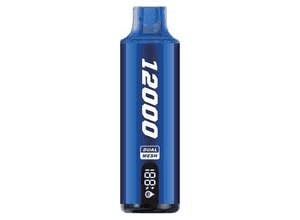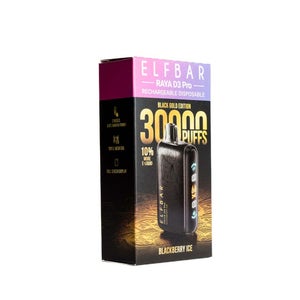
Every puff from a disposable vape device delivers a unique experience that changes based on the surroundings. Temperature shifts, humidity levels, and altitude variations can alter the vapor production and flavor intensity dramatically.
The device’s internal battery also responds to external factors that most people do not consider during daily use. Understanding these performance variations helps in getting the best possible experience from every single device. In this article, we look into how different environmental conditions affect the overall performance of an Elf Bar disposable.
Temperature effects
Cold weather affects the liquid thickness inside the device. The e-liquid becomes thicker when temperatures drop, making it harder for the wick to absorb properly. This results in weaker vapor production and muted flavor notes that disappoint many users. Warm conditions thin out the liquid, allowing better flow and more consistent vapor output.
However, extreme heat can cause the device to leak or produce an overly intense hit that feels harsh on the throat. Room temperature between 65-75 degrees delivers the most balanced performance for daily usage.
Humidity impact
High moisture levels in the air alter the vapor density that reaches the mouth. Humid conditions make the vapor feel heavier and more substantial with each draw. Dry air produces lighter clouds that dissipate quickly, changing the overall mouthfeel dramatically.
The device’s airflow sensor may also respond differently in various moisture conditions. The coil heating efficiency changes based on the surrounding air composition as well.
Altitude adjustments
Higher elevations bring lower air pressure that affects the automatic draw activation system. The device may become overly sensitive or require stronger suction to fire properly. Air density changes impact how the vapor forms and travels through the mouthpiece.
Users in mountainous regions often notice different battery consumption patterns during their sessions. The flavor profile can also taste slightly different due to altered boiling points of the liquid ingredients. These subtle shifts become noticeable to regular users who pay attention.
Battery life variations
Cold temperatures drain battery cells quicker than normal operating conditions. The chemical reactions inside the battery slow down, reducing the total number of puffs available. Warm environments can temporarily boost performance but may shorten the overall lifespan of the device. Storing the unit in extreme conditions affects the long-term reliability significantly.
Smart users keep their devices in inner pockets during winter months to maintain optimal temperature. The power delivery becomes inconsistent when the battery struggles against harsh environmental factors.